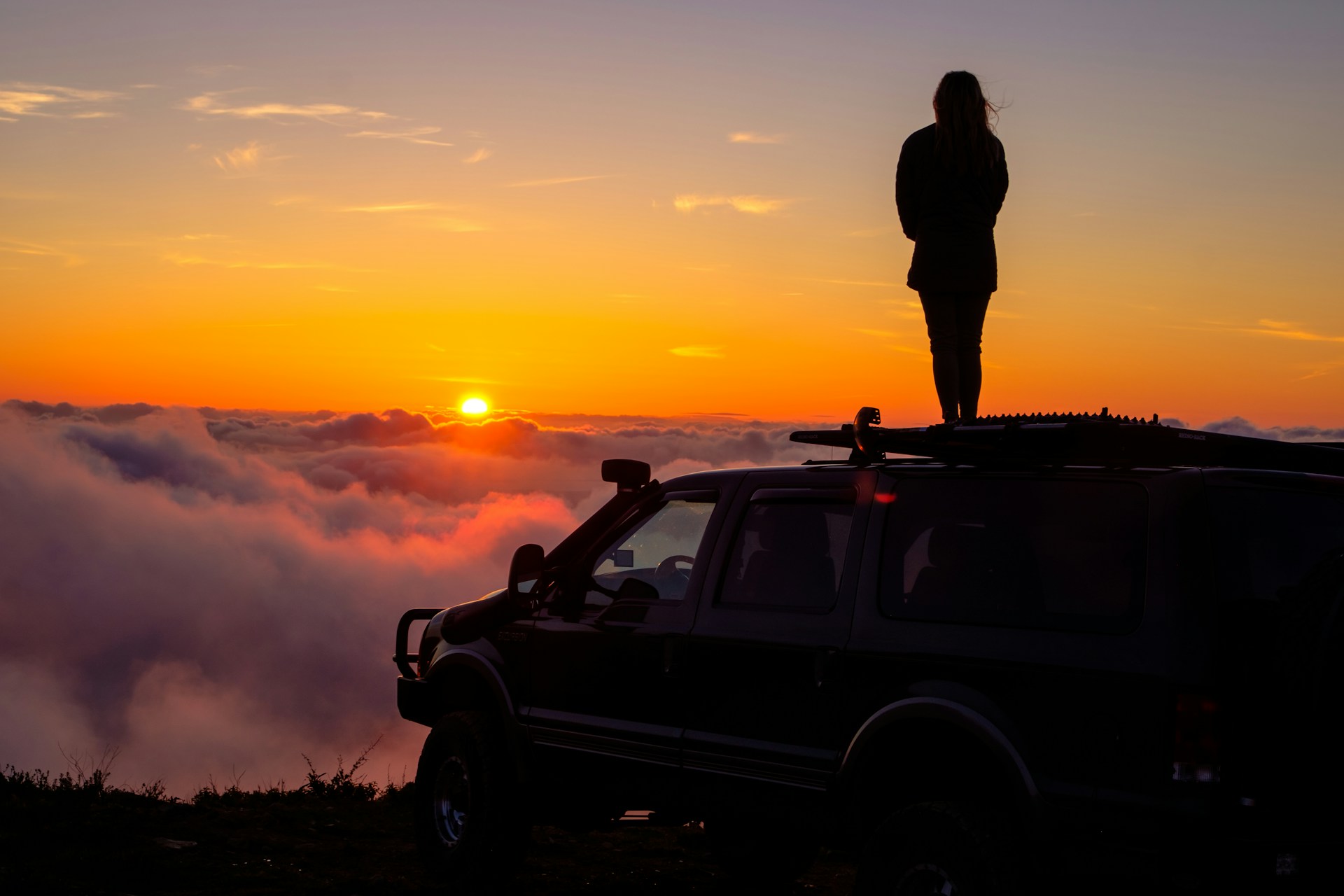

If you’ve spent any time scrolling through YouTube, Instagram, or TikTok lately, chances are you’ve come across the word overlanding. Maybe you’ve seen a lifted truck with a rooftop tent parked in the desert, or someone cooking breakfast out of the back of their SUV in the mountains. But what exactly is overlanding—and how do you start without breaking the bank?
What Is Overlanding?
In simple terms, overlanding is vehicle-based adventure travel where the journey itself is the goal. Instead of just driving to a campsite or hotel, you’re using your vehicle to explore remote places, camp along the way, and rely on your own gear to get by.
What makes overlanding unique is the combination of three things:
- The Vehicle: A capable SUV, truck, or even a motorcycle that can handle dirt roads, trails, and long-distance driving.
- Self-Reliance: Carrying your own food, water, shelter, and recovery gear so you don’t have to depend on outside help.
- Adventure Travel: Heading off the beaten path into deserts, forests, mountains, or anywhere the pavement ends.
Think of it as the perfect blend of camping, off-roading, and road-tripping—but with a spirit of independence and discovery.
Why Overlanding is Different
Traditional camping usually means driving to a campground, setting up a tent, and enjoying the outdoors. Off-roading is more about tackling trails for the thrill of the drive.
Overlanding combines the two. It’s not just about conquering a trail or sitting at one campsite—it’s about the entire journey. The adventure is in finding remote places, being self-sufficient, and waking up to a new view every day.
The First 3 Things You Should Buy to Start Overlanding
Here’s where a lot of beginners get stuck: thinking they need to spend tens of thousands of dollars on a fully built “overland rig.” The truth is, you don’t. You can start small, learn what works for you, and upgrade as you go.
Here are the three must-have items every beginner should invest in first:
1. Recovery Gear (Tow Straps, Shackles, and a Shovel)
Getting stuck is part of the adventure—but only if you can get yourself out. A recovery strap, a set of shackles, and a solid shovel are inexpensive but can be lifesavers. This should be the first thing you buy before you even think about rooftop tents or fancy gear.
2. Reliable Shelter
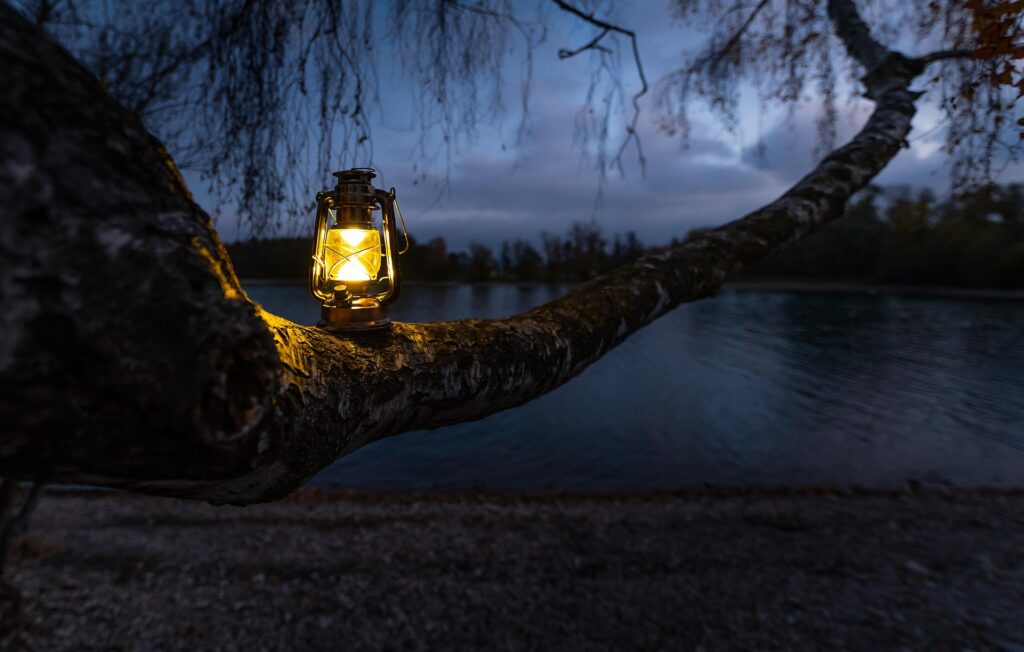
You need somewhere to sleep. Start with a durable ground tent that you trust in wind and rain. If your budget allows, a rooftop tent adds comfort and convenience. Either way, having reliable shelter turns your vehicle into a rolling home.
3. Water Storage and Filtration
You can go without food for a while, but not water. Pick up a 5–7 gallon water container and a portable water filter. This ensures you’ll always have safe drinking water, whether you’re camping in the desert or next to a mountain stream.
Final Thoughts: Start Small, Explore Big
Overlanding doesn’t have to be complicated. It’s not about having the most expensive rig—it’s about being prepared, staying safe, and enjoying the freedom of the open road.
With recovery gear, shelter, and water, you’ll have the basics to start your first overland trip. From there, you can add gear like a portable fridge, solar panels, rooftop storage, or even a long-range fuel tank as your adventures grow.
The key is simple: don’t wait for the “perfect setup” to start overlanding—just get out there. The best way to learn is by hitting the trail, camping under the stars, and figuring out what works for you.
So pack your gear, fuel up, and take the road less traveled. Your next adventure is waiting.